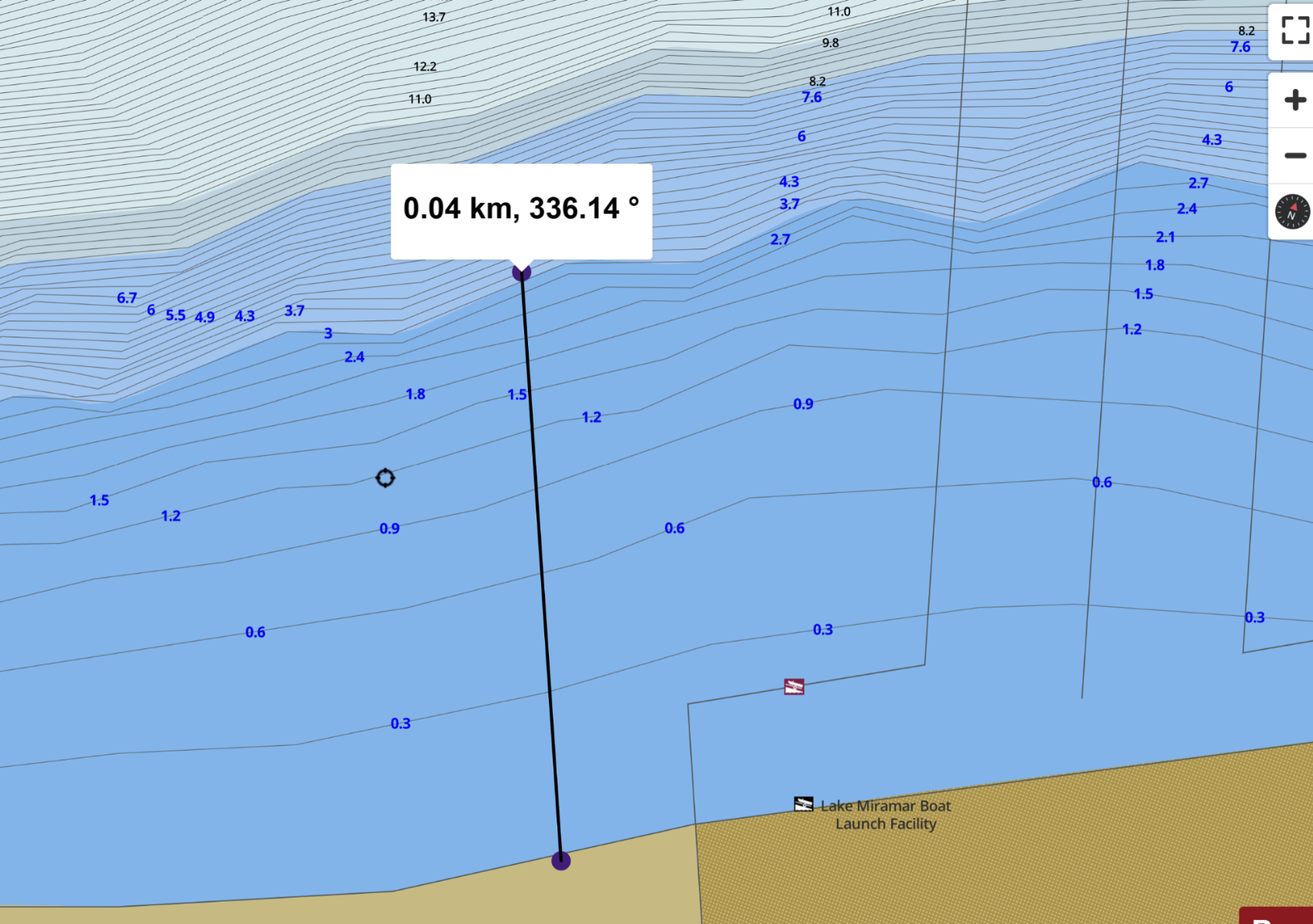
Our goal for today’s testing was seeing if the sub could use the gps to navigate through a Singapore-like environment, collect additional CV and sonar data, and test radio .
Lake Test Reflections, October 24, 2026
What went well
We were able to test for a long time.
The LED pipeline was very easy to read.
An experienced team member handled the kayak.
We explained to a new ranger that we are a student group (since 2002) and have tested here many times before without a permit. Bringing up past visits with the previous ranger helped us test without paying.
A transition professional from MTS shared how he makes sure his safety system works 100% of the time. This is a good model for us.
What did not go well
The pipeline was in a deeper spot than expected.
We could not find the pipeline with the sub.
The sonar did not work as well as planned.
People arrived at different times.
The sub was not ready to deploy when we got there, so we had to wait to get in the water.
We were not organized. We spread out and took up too much space on the boat ramp.
No one took notes on what happened during the test.
One member could not change the code without AI help.
Things to fix next time
Make a depth map of the lake. We need to paddle out about 40 m.
Check the GPS heading when the sub is near shore and by the slope.
Have the sub ready to deploy before we arrive.
Agree on one arrival time.
Stay in a small area on the boat ramp.
Pick one person to take notes.
Help members practice changing code on their own.